
VajaTrack i rampljuset: Land Lantbruk
Publicerat mars 27, 2026
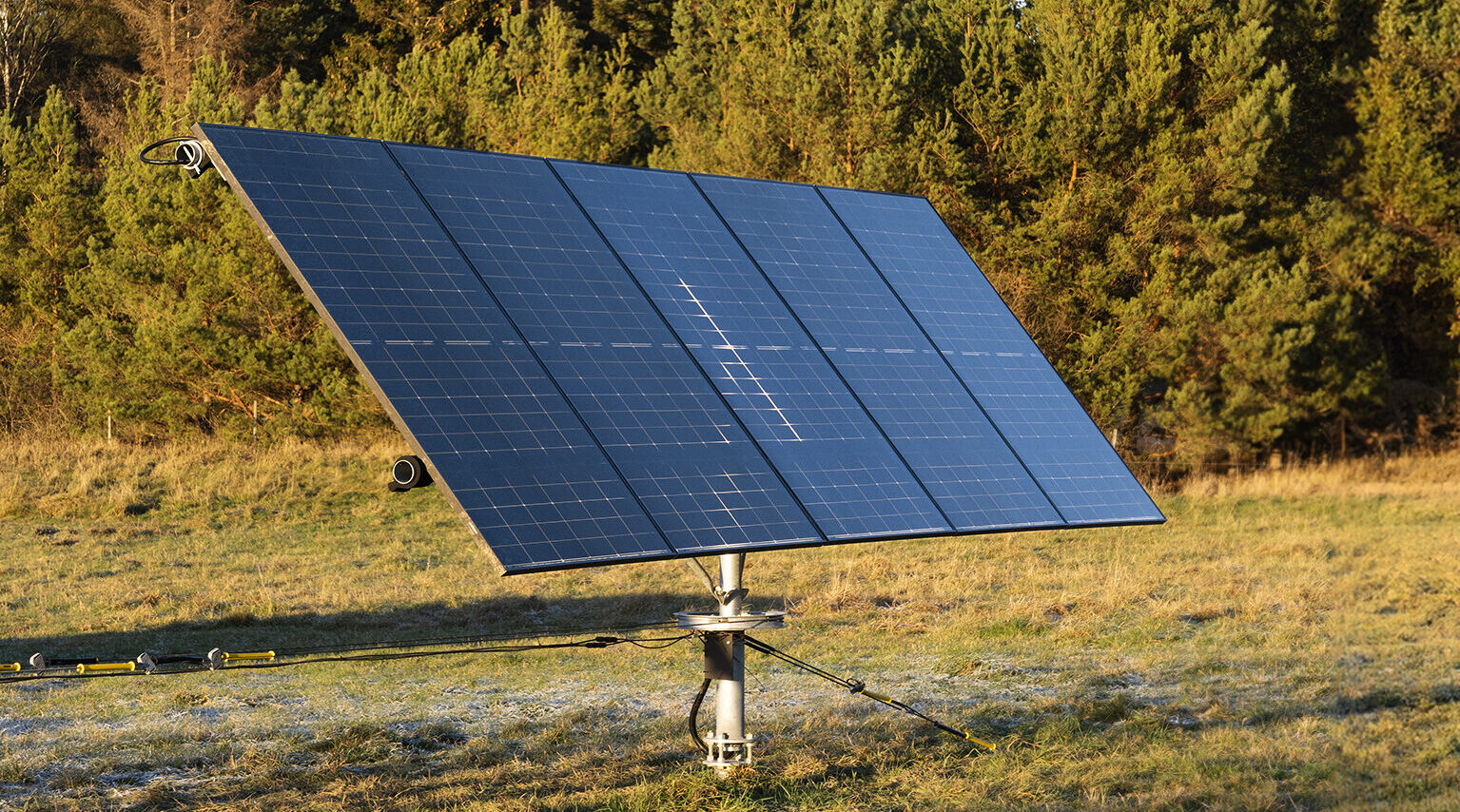
VajaTrack fortsätter att ta fart! Förra månaden uppmärksammade Land Lantbruk, Sveriges ledande sajt för jord- och skogsbruk, vårt solföljarsystem som en spännande ny lösning inom solenergiproduktion.
Artikeln lyfte fram hur våra innovativa vertikala solföljare är konstruerade för att anpassa sig till vinden. Tack vare vår patenterade vind-responsiva teknik kräver systemet inte de dyra förstärkningar som används i traditionella installationer av vertikala solföljare. Detta resulterar i en betydligt mer kostnadseffektiv lösning.
Artikeln noterade även:
- Enkel konstruktion: Ett drivsystem med en enda motor och växellåda kräver mindre underhåll.
- Tillgänglighet: VajaTrack är tillgängligt både för mindre markbaserade solinstallationer för lantbrukare samt pilotinstallationer i solparker i utility-skala.
Läs hela artikeln här (betalvägg). Du kan även ta del av mer rapportering om VajaTrack.
Fler nyheter
-

Vaja ger sig ut på vägarna
Vi ser fram emot två kommande lantbruksmässor, där vi visar hur solenergi kan vara en stark investering för gården. Vårt team finns på plats och demonstrerar hur VajaTrack fungerar, och vi ser fram emot många givande samtal med engagerade lantbrukare. Här hittar du oss: 24–25 juni: Borgeby fältdagar i Skåne, monter K20 1–2 juli: Brunnby […]
-
Vaja tar in 34 miljoner kronor i såddrunda för att ta nästa generations solföljarteknik till marknaden
Stockholm den 15 juni 2026 – Vaja AB, en pionjär inom nästa generations solföljarteknik, har tagit in 34 miljoner kronor i såddfinansiering. Därmed uppgår bolagets samlade kapital hittills, från nyemissioner och bidrag, till 65 miljoner kronor. Den nya rundan leddes av The Footprint Firm, med deltagande från node.vc. Finansieringen ska användas till att påskynda Vajas marknadsinträde och produktvalidering. Konkret […]
-
Kom och träffa oss på Elmia Solar 2026 i Jönköping
Vaja kommer att visa VajaTrack offentligt på Elmia Solar 2026 i Jönköping. Om du är intresserad av 30–50 % högre intäkter från en solpark träffar vi dig gärna på mässan!